Offensive Security VM Training
Prior authorized training with Kali Linux, VMware, The Necromancer and HackThisSite—translated into an analyst workflow.
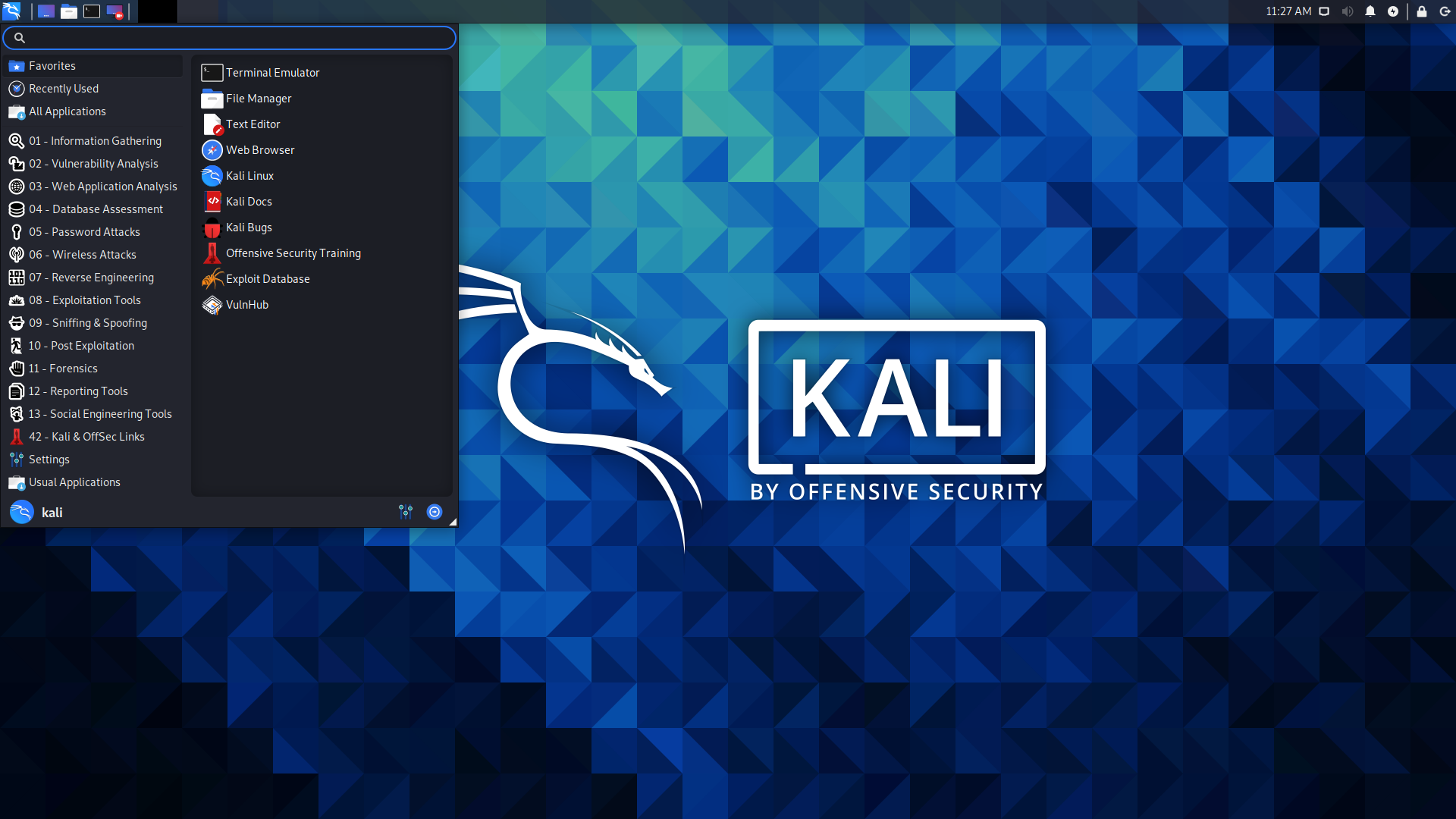
Owner-confirmed prior training
I used Kali Linux in isolated VMware labs, worked through The Necromancer boot-to-root environment, and practiced in HackThisSite's legal training environment. Original session screenshots, notes and exact completion records are not available in this repository, so this page does not claim particular flags, commands, scores, mission names or dates.
How I approached the labs
- Isolate the target. Keep deliberately vulnerable systems on a controlled VM network and confirm the authorized scope.
- Enumerate before acting. Identify exposed services and application behavior, then form a testable hypothesis.
- Validate a path. Follow the lab's intended learning path without broadening activity beyond the training target.
- Document the chain. Record what was observed, what action followed and what evidence would let another analyst review the conclusion.
What transfers to defensive work
Offensive practice is most valuable to me when it sharpens detection questions: which network connections would be visible, what authentication or process activity should exist, and which logs could distinguish reconnaissance from a successful action? The portfolio's generated packet investigation, Windows process triage and Splunk authentication case provide current, inspectable evidence for those defensive skills.
Training environments
The Necromancer on VulnHub ↗ · HackThisSite training-environment overview ↗
Academic foundation
Completed coursework includes IST 4620 Penetration Testing & Ethical Hacking, IST 4210 Advanced Networking & Security and IST 5250 Incident Handling & Cyber Investigation.
Scope
This page records owner-confirmed historical experience. The image is attributed reference material, and the linked current labs are the repository's reproducible evidence. No activity against an unauthorized or public target is claimed or encouraged.